

The Quick Answer: Hardware cloth solves three common property problems that cost homeowners hundreds in repeated repairs: protecting young trees from wildlife damage, keeping pests out of attic vents, and creating pet-proof screen doors. One versatile material handles all three applications, and most projects take less than an hour.
Here's how to use hardware cloth to solve these problems once and for all.
Why Hardware Cloth Is a Homeowner's Secret Weapon
Most people don't think about hardware cloth until something goes wrong. A squirrel tears through your gable vent and makes a nest in your attic. Rabbits destroy the young fruit trees you just planted. Your dog puts another hole in the screen door the third time this year.
These frustrating problems have one simple solution: hardware cloth.
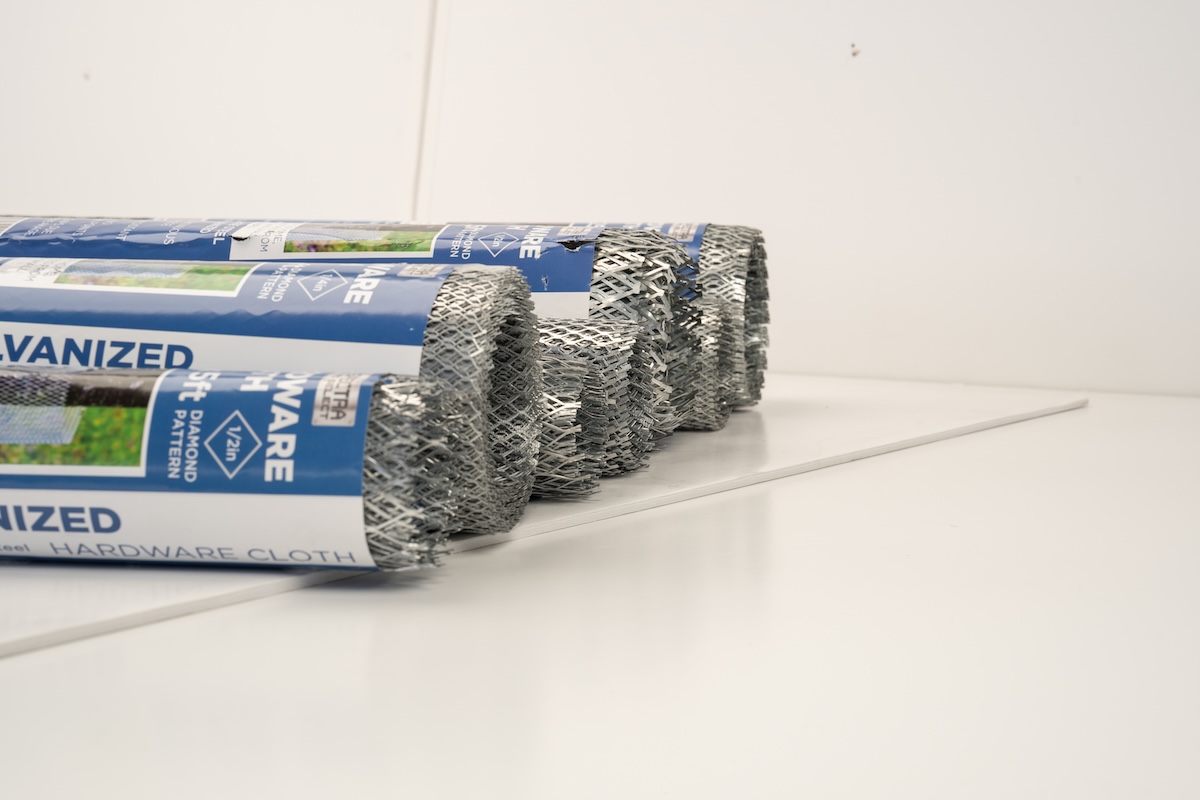
This galvanized steel mesh is tough enough to stop wildlife, durable enough to last for years outdoors, and straightforward enough for DIY installation. Instead of replacing screens every year or watching your trees die from deer damage, you fix the problem permanently.
Let's look at three ways hardware cloth protects your home and saves you money.
Application #1: Protecting Young Trees from Wildlife Damage
The Problem: Your Trees Keep Getting Damaged
You invested time and money planting those beautiful trees. Then you wake up one morning to find the bark stripped away, branches broken, or the trunk completely girdled by hungry wildlife.
Young trees face multiple threats:
- Deer rub their antlers against bark during fall, often killing the tree
- Rabbits and rodents gnaw through the bark during winter when food is scarce
- Voles and mice chew at ground level, especially under snow
- Lawn equipment accidentally strikes and damages tender bark
When enough bark is removed around the trunk (called girdling), the tree can't transport nutrients and it dies. All that investment—gone.
The Solution: Hardware Cloth Tree Guards
Hardware cloth cylinders create a protective barrier around your tree trunks. The material is too tough for rodents to chew through, uncomfortable for deer to rub against, and visible enough to prevent accidental damage from mowers and string trimmers.
How to Install Tree Guards
1. Measure your tree. Wrap a measuring tape around the trunk and add 6-8 inches for overlap and growth space.
2. Cut the hardware cloth. Use wire cutters to cut a piece to your calculated length. The height depends on your threat: 24-36 inches for rabbits and deer.
3. Form a cylinder. Wrap the mesh around the tree, leaving 2-3 inches of space between the cloth and the bark for growth.
4. Secure it. Use wire ties or zip ties to connect the overlapping edges.
5. Bury the bottom edge. Push the bottom 2-3 inches into the soil to prevent rodents from tunneling underneath.
What to Buy for Tree Protection
- Mesh size: 1/4-inch openings keep out even the smallest rodents and mice
- Material: Galvanized steel resists rust for years of outdoor use
- Pattern: Diamond pattern (expanded metal) has no weak welds that animals can exploit
- Height: 2-foot rolls work for young saplings, 4-foot for maximum deer protection
Who Benefits Most
Homeowners with newly planted trees, fruit tree orchards, or expensive ornamental specimens benefit most. If you've already lost trees to wildlife damage, this prevents it from happening again.
The cost is minimal—usually under $20 per tree—compared to replacing a mature tree at $200-500 or more.
Application #2: Keeping Pests Out of Attic Vents
The Problem: Wildlife Is Getting Into Your Attic
Gable vents are one of the most common entry points for unwanted attic visitors. Those vents are designed to allow airflow, but the factory screens are often made from flimsy fiberglass or thin aluminum that squirrels, raccoons, and birds easily tear through.
Once inside, these animals:
- Damage insulation (expensive to replace)
- Chew wiring (fire hazard)
- Create noise that keeps you awake
- Leave droppings and odors
- Require costly removal services
You pay for pest removal, repair the damage, then watch the same animals come back through the weak screen a few months later.
The Solution: Hardware Cloth Vent Screening
Installing hardware cloth behind or over your existing vent screens creates a permanent barrier that wildlife cannot defeat. Pest control professionals use this as their standard exclusion method because it works reliably.
How to Install Gable Vent Screening
Interior installation (recommended):
- Access your attic and locate the gable vents from inside
- Cut hardware cloth to fit over the interior opening with slight overlap
- Attach with self-tapping screws into the wood frame
- Ensure no gaps at edges or corners—even small openings let animals through
Exterior installation:
- Cut hardware cloth to fit over the existing vent
- Mount with matching screws directly into the frame
- Check that airflow isn't blocked
What to Buy for Vent Screening
- Mesh size: 1/4-inch for mice, 1/2-inch for squirrels and larger (allows better airflow)
- Material: Galvanized steel or powder-coated for corrosion resistance
- Finish: Black powder-coated blends visually with most vent colors
- Size: Measure your vent opening and add 2 inches on all sides
Who Benefits Most
Any homeowner who has dealt with attic invaders or wants to prevent them. This is especially valuable if:
- You've had squirrels, raccoons, or birds in your attic before
- You hear scratching or scurrying sounds overhead
- A home inspection flagged damaged or missing vent screens
- You're selling your home and need to address pest entry points
The investment is usually $15-30 in materials per vent versus $300-1,000+ for professional wildlife removal and damage repair.
Application #3: Creating Pet-Proof Screen Doors
The Problem: Your Screens Keep Getting Destroyed
Standard fiberglass screen mesh tears easily. If you have dogs or cats, you know the cycle well: install a new screen, watch your pet claw through it within months, replace it again, repeat.
Each replacement costs money and time. Flimsy screening doesn't stand up to:
- Pet claws (cats stretching, dogs pawing)
- Accidental impacts from people and objects
- General wear in high-traffic doorways
- Kids pushing against the screen
The Solution: Hardware Cloth Screen Replacement
Hardware cloth provides a pet-resistant upgrade that maintains visibility and airflow while standing up to daily abuse. It's substantially more durable than fiberglass, yet flexible enough to install in standard screen door frames.
How to Install Hardware Cloth in Screen Doors
The process is similar to replacing regular screening:
- Remove old screen. Pull out the rubber spline and remove torn screening
- Cut hardware cloth to size. Allow slight overlap on all sides
- Position the mesh. Lay it over the frame channel
- Install new spline. Press hardware cloth into the channel with a spline roller tool
- Trim excess. Cut away material beyond the spline with wire cutters
What to Buy for Screen Door Repairs
- Gauge: 24-gauge works best—thick enough to resist damage, flexible enough to install
- Pattern: Diamond pattern lies flatter and looks cleaner than welded square mesh
- Finish: Galvanized or powder-coated black prevents rust staining
- Mesh size: 1/4-inch or 1/2-inch depending on your preference for visibility vs. strength
Who Benefits Most
Pet owners tired of replacing screens multiple times per year get the most value. Hardware cloth costs more upfront than fiberglass ($25-40 for materials vs. $10-15), but lasts for years instead of months.
High-traffic screen doors on porches or patios also benefit from the durability upgrade, even without pets.
One Material, Multiple Solutions
The efficiency of hardware cloth comes from its versatility. You can buy a single roll and handle multiple projects around your property.
Standard Roll Sizes Cover Most Needs
- 2-foot height: Tree guards for young trees, small screen repairs
- 3-foot height: Taller tree guards, standard screen doors
- 4-foot height: Maximum tree protection, large screen enclosures, multiple vent projects
Choosing Between Galvanized and Powder-Coated
Galvanized steel (silver finish) works for most exterior applications. It resists rust and costs less.
Powder-coated black looks better on visible installations like screen doors and front-facing vents. It provides extra corrosion resistance and blends in aesthetically.
Cost Comparison: DIY vs. Repeated Fixes
Let's look at real numbers:
Tree Protection:
- Hardware cloth: $15-25 per tree (lasts 5-10 years)
- Replacing a dead tree: $200-500+
- Savings: One protected tree pays for itself immediately
Vent Screening:
- Hardware cloth: $15-30 per vent (permanent fix)
- Wildlife removal + damage repair: $300-1,000+
- Savings: Preventing one attic invasion pays for screening every vent
Screen Doors:
- Hardware cloth upgrade: $25-40 (lasts years)
- Replacing fiberglass annually: $15 × 3-5 years = $45-75
- Savings: Pays for itself within 2-3 years, then continues saving money
Where to Buy Quality Hardware Cloth
Not all hardware cloth is created equal. Look for these features:
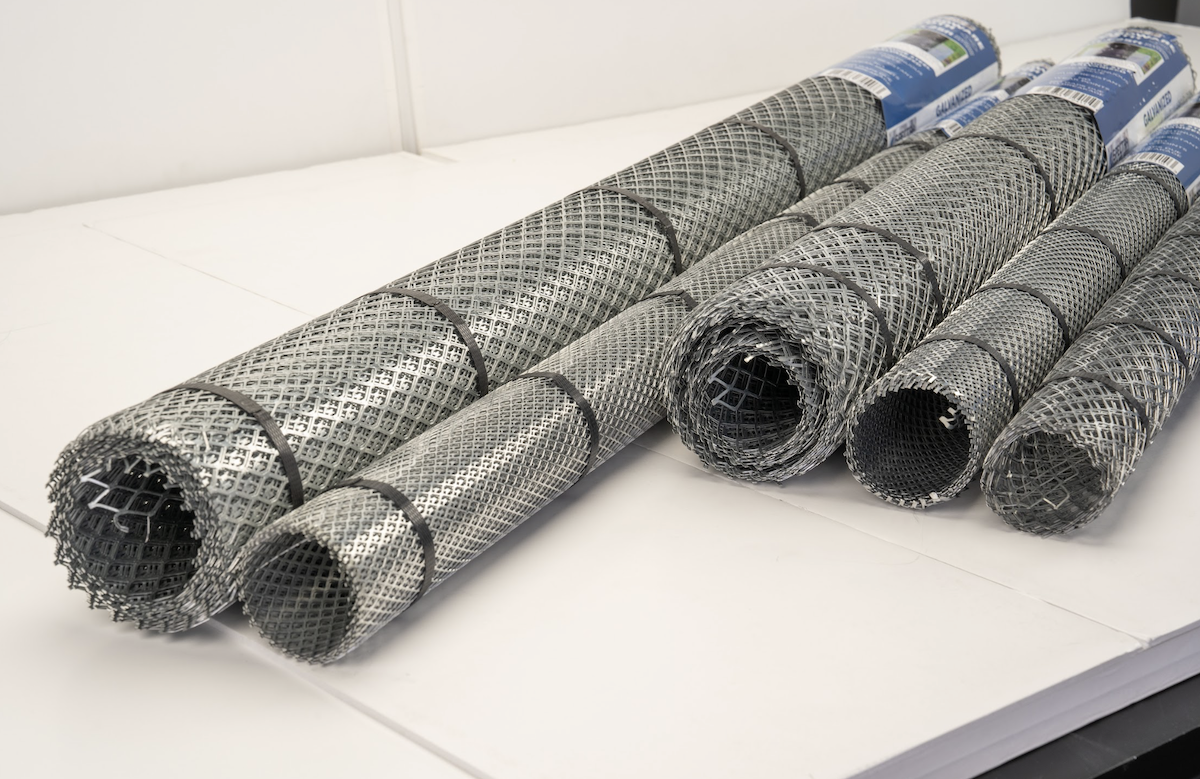
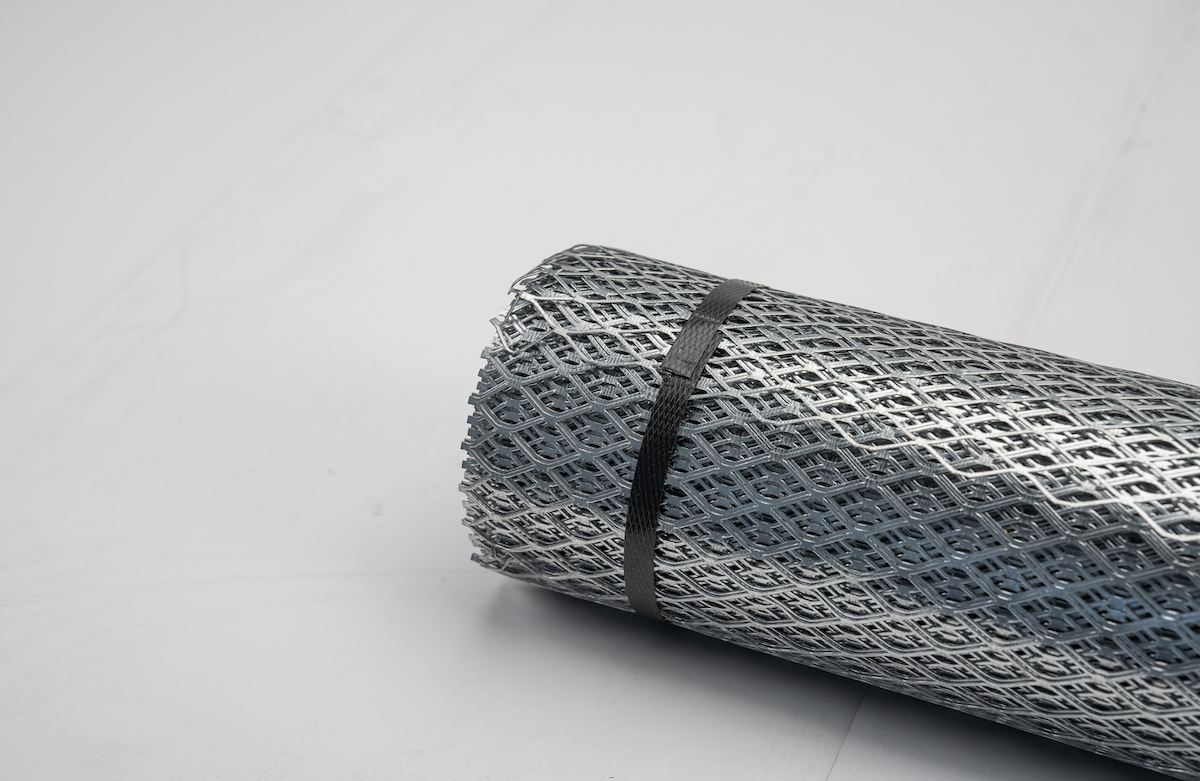
Diamond pattern expanded metal rather than welded square mesh. Welded mesh has weak points at every junction where animals can tear through. Expanded metal is made from one continuous piece with no welds.
24-gauge steel provides the right balance of strength and flexibility for most applications. Thinner gauges bend too easily; thicker gauges are harder to work with.
American-made products typically have better quality control and more consistent specifications than imported options.
Tips for Working with Hardware Cloth
Wear gloves. Cut edges are sharp and can cause scratches.
Use proper tools. Aviation snips or heavy-duty wire cutters make cleaner cuts than regular scissors.
Measure twice, cut once. Hardware cloth is more expensive than fiberglass screening, so accurate measurements matter.
Leave space for growth. On tree guards, always allow 2-3 inches between the mesh and the trunk.
Secure thoroughly. Wildlife is persistent. Make sure there are no gaps or loose edges they can exploit.
The Bottom Line
Hardware cloth solves three common property problems with one durable material. Instead of dealing with repeated damage and costly replacements, you fix the issue permanently.
Tree protection costs pennies compared to replacing dead trees. Vent screening prevents expensive pest invasions. Pet-proof screens eliminate the annual replacement cycle.
These aren't complicated projects. Most applications take under an hour and require only basic tools. The investment is modest, but the protection lasts for years.
That's smart homeownership—solving problems once instead of patching them over and over.
Spectra Pro Select manufactures American-made hardware cloth with galvanized and powder-coated options. The diamond-pattern expanded metal construction provides durability without weak points. Find a retailer near you at spectraproselect.com


.jpg)
.jpg)





.webp)

.webp)


