

The Quick Answer: Ground spouts extend your downspouts 4 to 10 feet away from your foundation, preventing the water damage, foundation cracks, and basement flooding that happen when water pools against your home. They cost $5-20 per downspout, install in minutes with just a screwdriver, and last for years with zero maintenance.
Here's why this simple upgrade is one of the smartest investments you can make for your home.
The Problem Most Homeowners Don't See Until It's Too Late
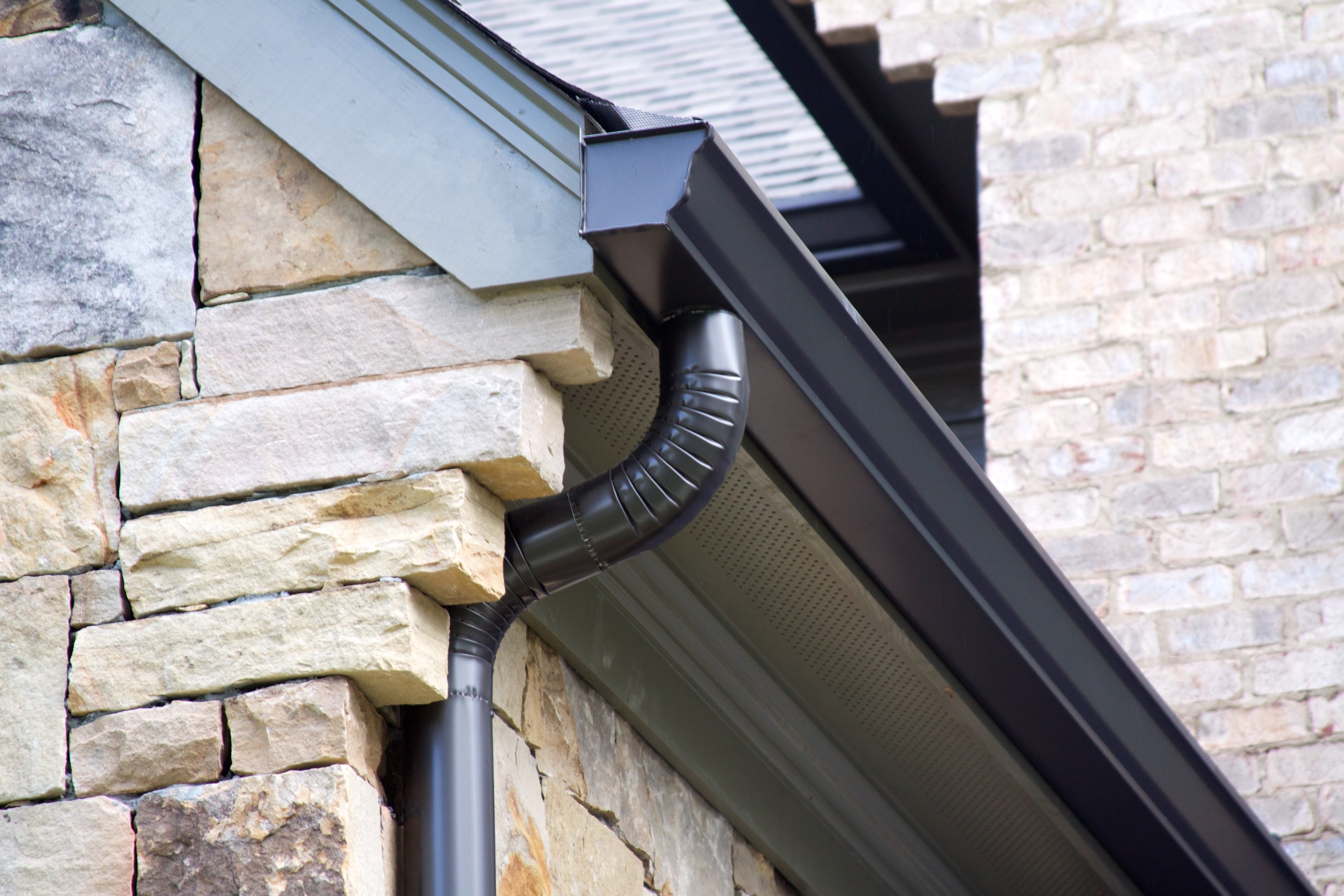
Walk outside during a rainstorm and look at your downspouts. Where does the water go?
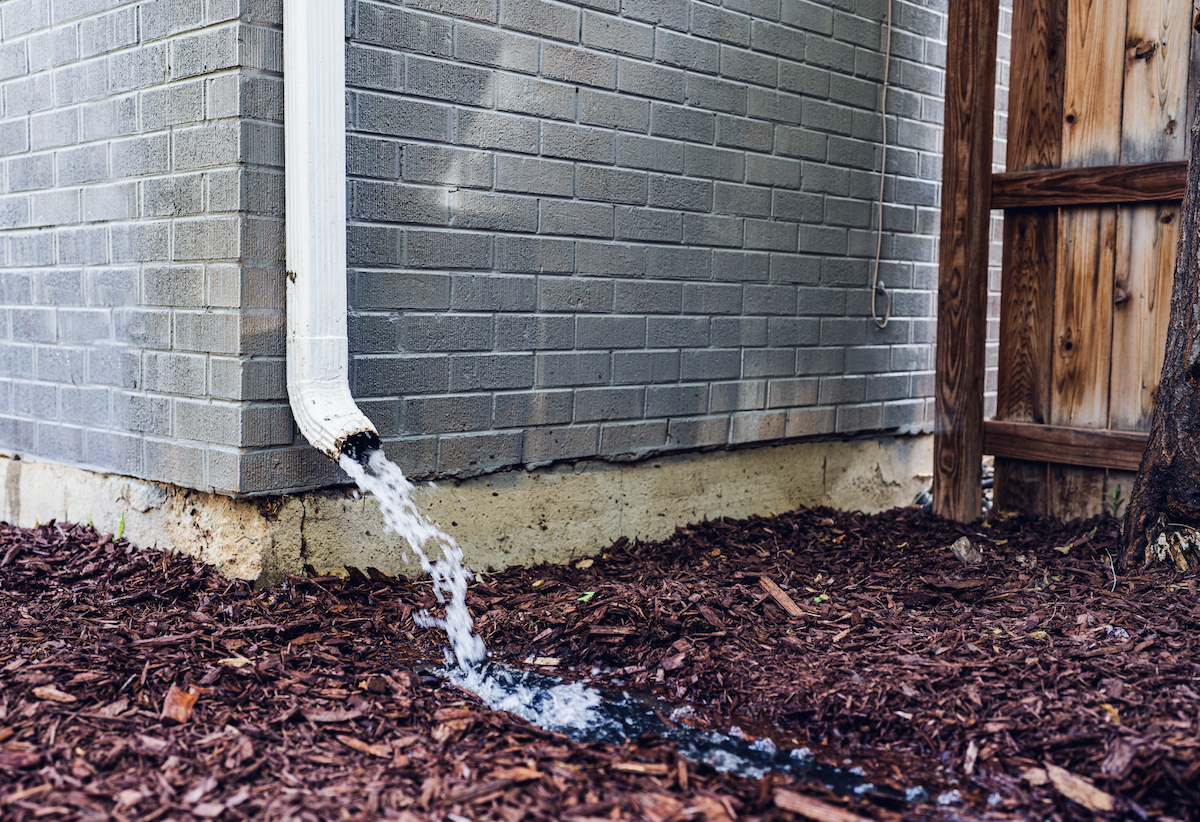
If you're like most homeowners, it dumps right at your foundation—maybe 6 inches to 2 feet away from your house. Every time it rains, hundreds of gallons of water pour directly against the base of your home.
You might not see the problem immediately. But underground, that water is:
- Saturating the soil around your foundation
- Creating hydrostatic pressure that causes cracks
- Seeping into your basement or crawl space
- Eroding soil and causing settling
- Washing out landscaping and mulch
- Creating the perfect conditions for foundation damage
Foundation repairs cost $5,000-15,000 on average. Basement waterproofing runs $3,000-10,000. Even minor moisture problems lead to mold, damaged belongings, and decreased home value.
Ground spouts prevent all of this by moving water away from your foundation before damage starts.
What Are Ground Spouts and How Do They Work?
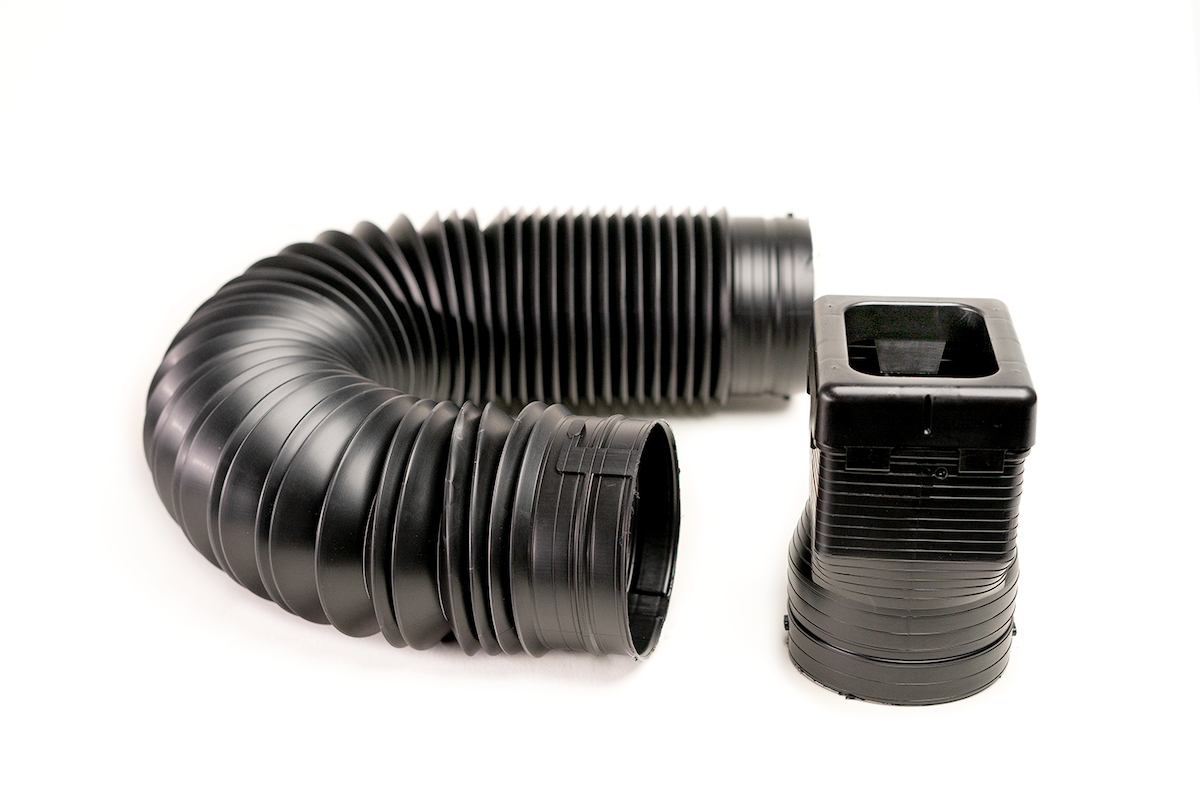
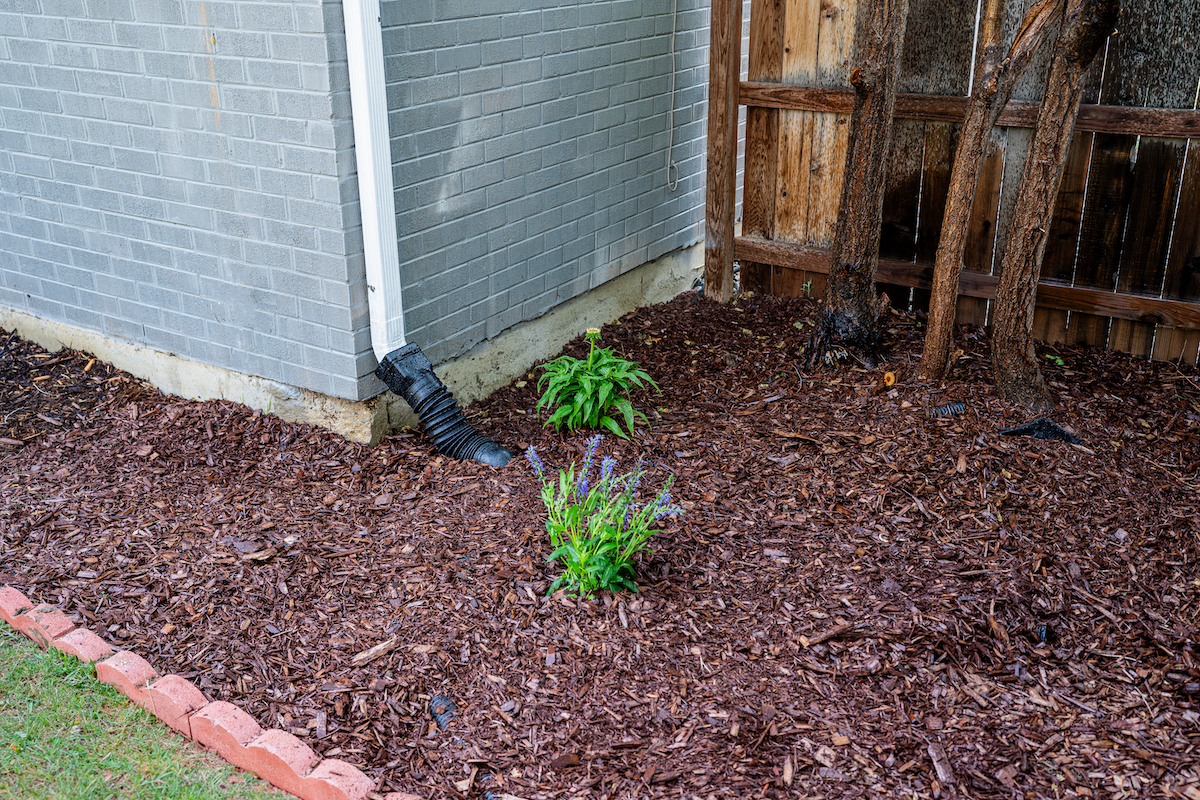
Ground spouts are flexible drainage extensions that connect to your existing downspouts and carry water 4 to 10 feet away from your home's foundation.
Think of them as an extended pathway for water. Instead of dumping right next to your house, the water travels through the ground spout system and discharges at a safe distance where it can soak into the ground harmlessly.
The basic system includes:
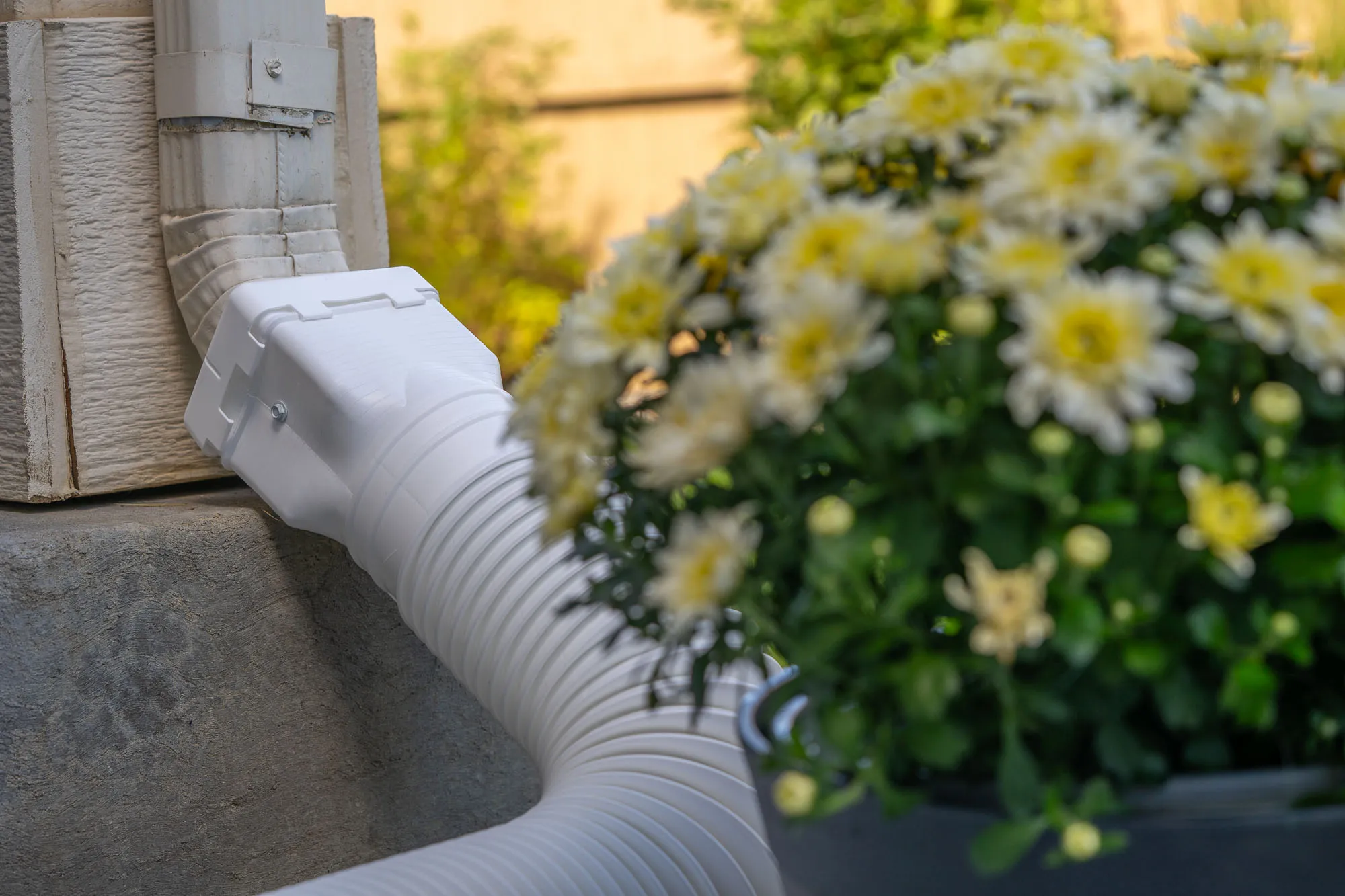
- Adapter pieces that connect to your existing downspouts (fits 2x3", 3x4", and 4" round sizes)
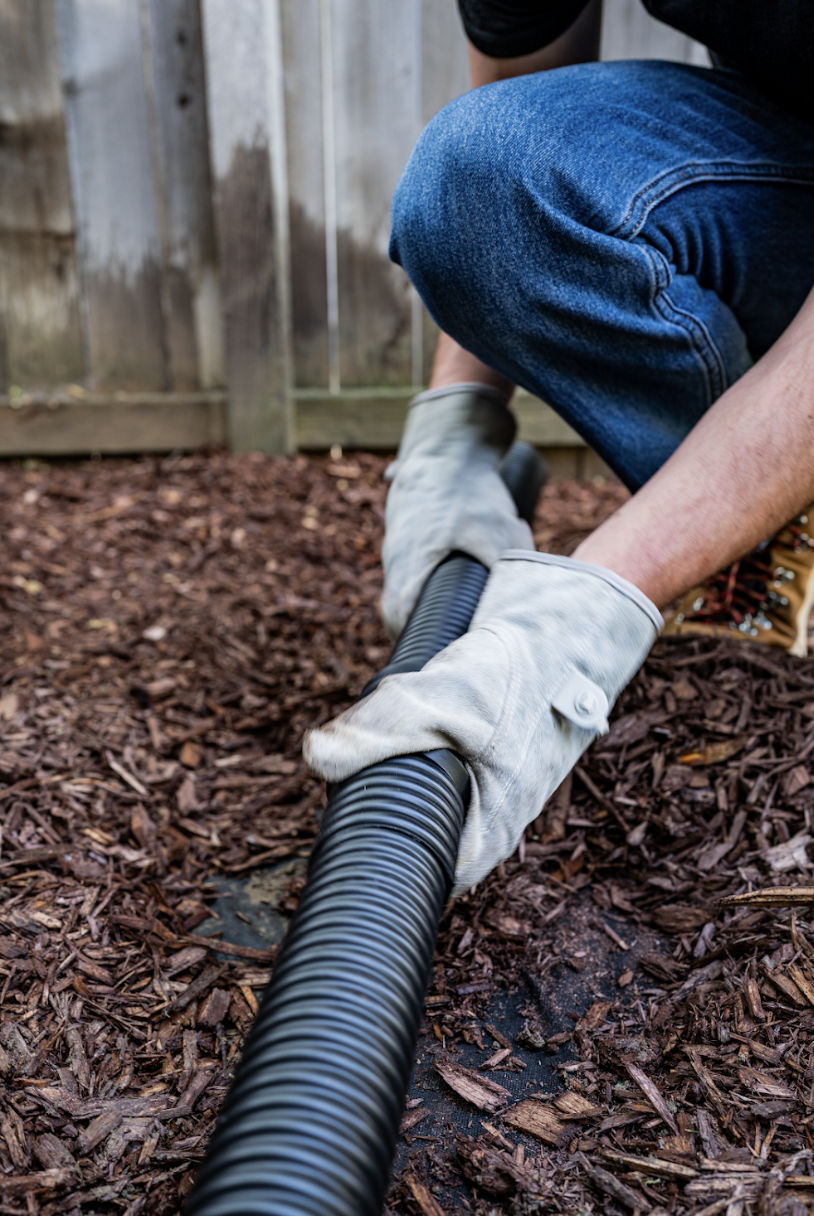
- Flexible piping that routes underground or along the ground surface
- Discharge outlets that release water at the safe endpoint
The best part? The entire system installs with just a screwdriver. No digging, no professional installation, no complicated tools required.
Why Ground Spouts Beat Other Drainage Solutions
You have several options for managing downspout water. Here's how ground spouts compare:
Splash Blocks (The Cheap But Ineffective Option)
What they are: Plastic or concrete blocks that sit under downspouts
Cost: $5-15 each
Problems:
- Only move water 2-3 feet away (not far enough)
- Get kicked out of position easily
- Don't actually solve the foundation problem
- Look ugly and collect debris
Verdict: Better than nothing, but barely.
French Drains (The Expensive Professional Option)
What they are: Underground trenches filled with gravel and perforated pipe
Cost: $1,500-5,000+ for professional installation
Problems:
- Require excavation and professional installation
- Can clog over time with soil and roots
- Difficult and expensive to repair
- May need periodic maintenance
Verdict: Effective but expensive overkill for most homes.
Underground PVC Piping (The Permanent But Pricey Option)
What it is: Rigid PVC pipe buried underground to carry water away
Cost: $500-2,000+ depending on complexity
Problems:
- Requires digging trenches (destroys landscaping)
- Professional installation usually needed
- Can crack, separate, or clog underground
- Repairs require digging everything up again
Verdict: Works well but expensive and disruptive to install.
Ground Spouts (The Smart DIY Option)
What they are: Flexible above-ground or shallow-buried extensions
Cost: $15-40 per downspout
Benefits:
- Install yourself in 15-30 minutes per downspout
- No excavation or professional help needed
- Routes around obstacles easily
- Durable enough to last 10+ years
- Easy to adjust or relocate if needed
- Low-profile appearance in multiple colors
Verdict: The best balance of effectiveness, cost, and ease for most homeowners.
How to Install Ground Spouts (It's Easier Than You Think)
What You'll Need
- Ground spout kit (available at Home Depot, Lowe's, Ace Hardware, Menards)
- Screwdriver (that's it!)
- Optional: wire cutters if you need to trim to exact length
Installation Steps
Step 1: Measure from your downspout to where you want water to discharge. You need at least 4 feet from your foundation, but 6-10 feet is ideal. Choose a spot where water can safely soak into the ground without creating runoff toward neighbors or driveways.
Step 2: Connect the adapter to your existing downspout. The ground spout system includes adapters for standard downspout sizes (2x3", 3x4", 4" round). Simply attach it where your downspout currently ends.
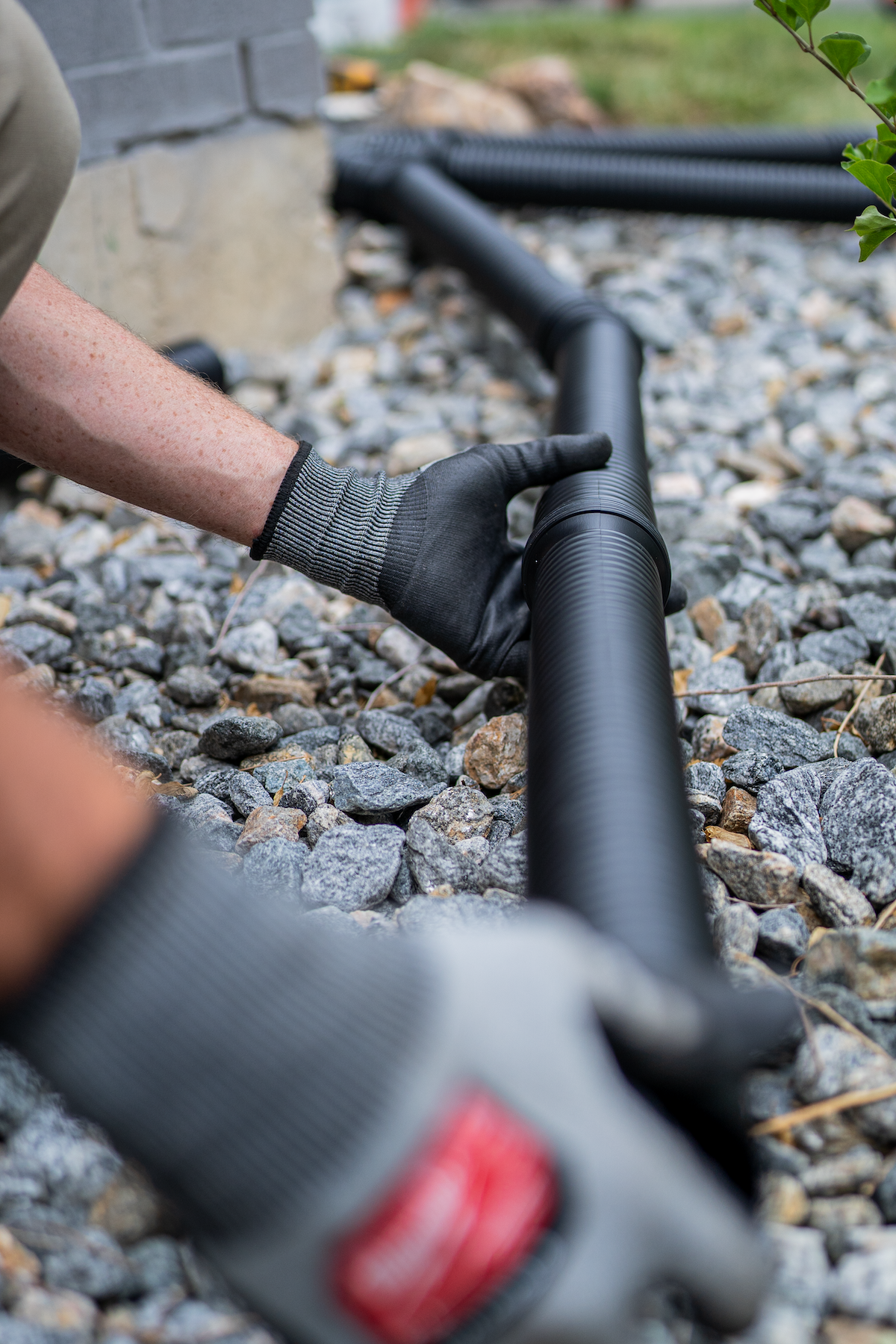
Step 3: Route the flexible piping to your discharge point. The piping can follow landscape contours, curve around obstacles, and adapt to your yard's layout. You can run it along the surface or bury it 2-3 inches underground for a cleaner look.
Step 4: Secure the discharge end. Position the outlet where you want water to exit. Some homeowners stake it in place; others let it rest naturally.
Step 5: Test during the next rain. Watch water flow through the system and verify it discharges far enough from your foundation.
Total installation time: 15-30 minutes per downspout.
Most homes have 4-8 downspouts, so you can protect your entire house in an afternoon.
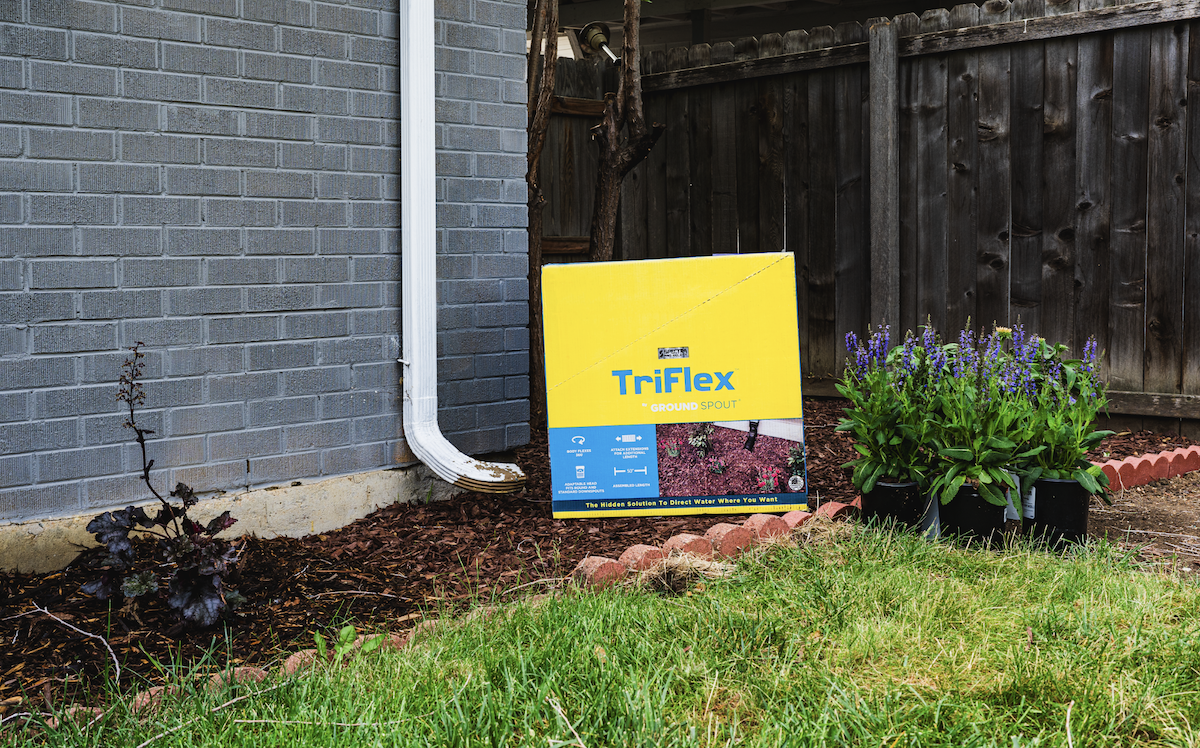
Special Solution: Tri-Flex Systems for Garden Beds
What if you have flower beds, shrubs, or landscaping right along your foundation? You don't want to dump hundreds of gallons of water in one spot and drown your plants or create erosion.
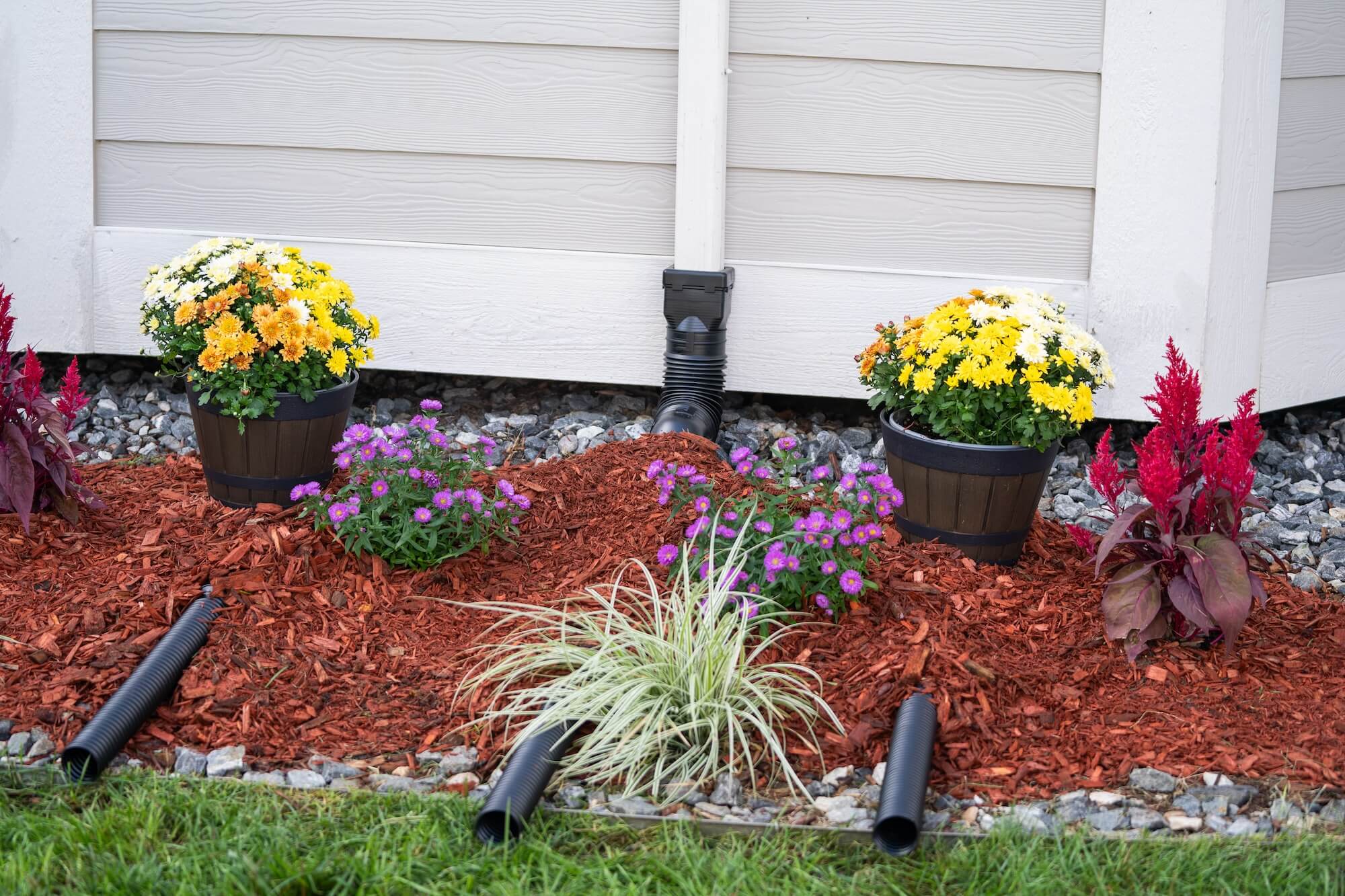
Tri-Flex systems solve this problem by dispersing water in three directions through adjustable extensions. Instead of a single discharge point, water spreads across a wider area.
Benefits for landscaped areas:
- Gardens get gentle hydration without flooding
- Soil stays in place instead of washing away
- Plants don't get overwhelmed with concentrated water flow
- Low-profile design works within existing plantings
- No need to remove or relocate landscaping
Tri-Flex costs slightly more ($25-50 per downspout) but makes perfect sense when you have foundation plantings or want to water garden beds naturally.
How Much Money Ground Spouts Save You
Let's look at real numbers:
What You'll Spend
- Ground spout systems: $15-40 per downspout
- Installation: $0 (DIY) or $50-100 per downspout (if you hire it out)
- Typical home with 6 downspouts: $90-240 for DIY installation
What You'll Avoid Spending
- Foundation crack repairs: $500-3,000+ per crack
- Major foundation repairs: $5,000-15,000+
- Basement waterproofing: $3,000-10,000
- Mold remediation: $2,000-6,000
- Flooring and drywall replacement: $1,000-5,000
- Landscaping repairs from erosion: $500-2,000
Even preventing one minor foundation problem pays for ground spouts 10-50 times over.
Long-Term Maintenance Costs
Once installed, ground spouts require virtually zero maintenance:
- No annual replacement (they last 10+ years)
- No moving parts to break
- No filters to clean
- No professional service calls
Compare that to splash blocks that need repositioning, French drains that require cleaning, or repeated foundation repairs from water damage.
Color Options That Match Your Home
Ground spouts aren't just functional—they can blend seamlessly with your home's exterior.
Available colors:
- White - matches white trim and siding
- Brown - blends with earth tones and mulch
- Stone/Beige - neutral option for varied exteriors
- Green - disappears into lawn and landscaping
- Black - modern look, hides dirt well
The low-profile design sits close to the ground and follows natural pathways through your landscape. Unlike bulky splash blocks or exposed corrugated pipe, ground spouts look intentional rather than improvised.
When You Need Ground Spouts Most
Signs Your Home Needs Ground Spouts NOW
- Water pools near your foundation after rain
- Basement moisture or dampness even without obvious leaks
- Cracks in foundation walls or basement floor
- Erosion or washout of soil, mulch, or landscaping near downspouts
- Musty smells in basement or crawl space
- Doors or windows sticking (sign of foundation settling)
- Water stains on foundation walls or basement
- Mold or mildew in basement areas
Properties That Benefit Most
- Homes on sloped lots where water naturally runs toward the foundation
- Properties with heavy clay soil that doesn't absorb water quickly
- Homes in high-rainfall areas or regions with intense storms
- Properties with finished basements where flooding would cause major damage
- Older homes with aging foundations more vulnerable to water damage
- New construction where you want to protect your investment from day one
Installation Tips for Best Results
Choose the Right Discharge Point
Water should exit ground spouts at a location where it:
- Is at least 4-6 feet from your foundation (10 feet is even better)
- Slopes away from your home naturally
- Won't pool or create standing water
- Doesn't drain toward neighbors' properties
- Avoids sidewalks, driveways, or areas where ice could form in winter
Consider Burial Depth
You can run ground spouts:
Above ground - Easiest installation, can be relocated easily, more visible
Partially buried (2-3 inches) - Cleaner appearance, less trip hazard, still easy to access
Fully buried (requires rigid piping) - Most aesthetic but more expensive and harder to maintain
For most homeowners, partially buried (2-3 inches) offers the best balance of appearance and practicality.
Account for Seasonal Changes
In cold climates:
- Ensure discharge point won't create ice hazards on walkways
- Avoid areas where ice dams could form
- Consider detachable extensions you can adjust in winter
In hot, dry climates:
- Position discharge to water trees or gardens when possible
- Ensure UV-resistant materials that won't degrade in sun
Maintenance (Spoiler: There Isn't Much)
Ground spouts require minimal attention once installed:
Twice a year (spring and fall):
- Walk around and verify extensions are still positioned correctly
- Check that debris hasn't blocked the discharge end
- Ensure connections are still secure at downspouts
After major storms:
- Verify water is flowing through properly
- Check that heavy rain didn't dislodge anything
Every few years:
- Inspect for any cracks or damage to the piping
- Replace if material shows significant wear (rare)
That's it. No cleaning, no filters, no professional service calls.
Can You Install Ground Spouts Yourself?
Yes, absolutely. This is one of the most DIY-friendly home improvements you can make.
You should feel confident DIY-ing if:
- You can use a screwdriver
- You can measure distances in your yard
- You don't mind spending 15-30 minutes per downspout
Consider hiring help if:
- You have mobility issues or can't work at ground level
- Your property has complex grading or drainage challenges
- You want buried installation with trenching
- You're uncomfortable working around your home's exterior
Even if you hire a handyman, installation is simple enough that labor costs stay low ($50-100 per downspout typically).
Where to Buy Ground Spouts
Ground spouts and Tri-Flex systems are available at major home improvement retailers:
- Home Depot
- Lowe's
- Ace Hardware
- Menards
- Local hardware stores
What to look for when buying:
- Standard downspout compatibility (2x3", 3x4", 4" round)
- Durable materials rated for outdoor use
- American-made quality (typically better materials and construction)
- Color options that match your home
- Length appropriate for your needs (4-10 feet standard)
Spectra Pro Select manufactures both Ground Spout Systems and Tri-Flex Systems specifically designed for residential applications. Both are American-made, fit standard downspout sizes, and install with basic tools.
The Bottom Line
Foundation damage from poor drainage is expensive, preventable, and incredibly common. Every year, thousands of homeowners spend thousands of dollars fixing problems that ground spouts would have prevented for under $200.
Ground spouts are one of those rare home improvements where:
- The investment is minimal ($15-40 per downspout)
- Installation is simple (DIY in minutes)
- Maintenance is nearly zero (check occasionally, that's it)
- The protection is substantial (prevents $5,000-15,000+ in damage)
- The payback is immediate (starts protecting your foundation right away)
You can't see water damage happening underground. You won't notice foundation cracks forming until they're serious. You won't realize you have a basement moisture problem until you've got mold.
Or you can spend $100-200 and an afternoon installing ground spouts, then never worry about it again.
That's about as smart as home maintenance gets.
Spectra Pro Select manufactures the Ground Spout System and Tri-Flex System for residential applications. Both systems are American-made, fit standard downspout sizes (2x3", 3x4", 4" round), and install with basic tools. Available at Home Depot, Lowe's, Ace Hardware, Menards, and other retailers. Learn more at spectraproselect.com



.jpg)
.jpg)






.webp)

.webp)


